At What Stage Do Cataracts Need To Be Removed?

At What Stage Do Cataracts Need To Be Removed?

At What Stage Do Cataracts Need To Be Removed?

At What Stage Do Cataracts Need To Be Removed?

At What Stage Do Cataracts Need To Be Removed?

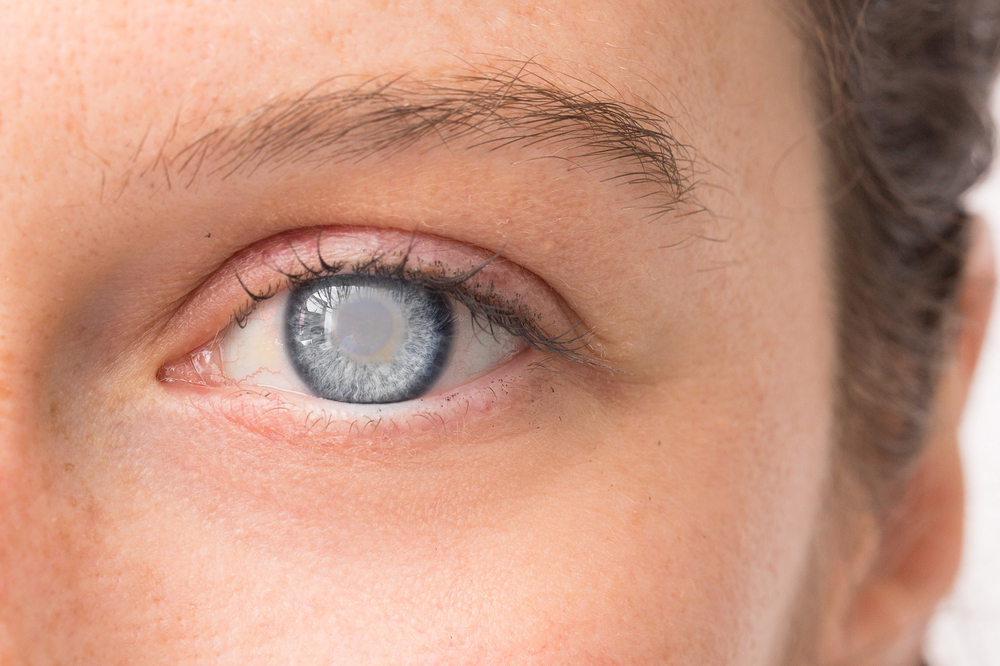
Cataracts develop when the natural lens of the eye becomes cloudy, making vision less clear over time. In the early stages, cataracts may cause mild blur, glare, or difficulty seeing in certain lighting. Many people can still manage their daily routines with updated glasses, brighter lighting, or small lifestyle adjustments. The right time for cataract removal is not based on age alone. It depends on how much the cataract is affecting your vision, comfort, safety, and ability to do the things you need and enjoy.
When Early Cataracts May Not Need Surgery
Not every cataract needs to be removed right away. If your vision is still clear enough for reading, driving, working, and completing daily tasks, your eye doctor may recommend monitoring the cataract during routine eye exams.
At Eye Center of Virginia, we evaluate cataracts as part of a complete eye health assessment. This helps determine whether your symptoms are related to cataracts or another eye condition that may need treatment or management.
Signs Your Cataracts May Be Ready For Removal
Cataract surgery is usually considered when cloudy vision begins to interfere with quality of life. The stage matters less than how the cataract affects your daily function.
You may be ready to discuss cataract removal if you notice:
- Blurry, cloudy, or dim vision that glasses no longer improve
- Increased glare or halos around lights
- Trouble driving at night
- Difficulty reading, watching TV, or using a computer
- Colors appearing faded or yellowed
- Frequent prescription changes
- Vision problems that affect work, hobbies, or independence
If these symptoms are becoming more noticeable, a cataract evaluation can help determine the next step.
Knowing When Cataract Surgery Is The Right Next Step
Waiting too long to address cataracts can make daily activities more frustrating and may increase safety concerns, especially with driving, stairs, or low-light environments. However, removing cataracts too early may not be necessary if your vision is still working well for your needs.
The goal is to choose the right timing based on your lifestyle, exam findings, and overall eye health. A personalized evaluation helps your doctor review the severity of the cataract, check for other eye diseases, and discuss whether surgery is appropriate.
Cataracts And Other Eye Conditions
Some patients also have conditions such as glaucoma, macular degeneration, diabetic eye disease, or dry eye. These issues can affect vision and may influence cataract treatment planning. That is why a thorough eye exam is important before deciding whether cataracts need to be removed.
At our Williamsburg eye care center, our team focuses on the treatment and management of eye diseases, including cataracts and other conditions that can affect long-term vision. Understanding the full picture helps create a safer, more informed plan for care.
What To Expect During A Cataract Evaluation
During a cataract evaluation, our eye doctor will review your symptoms, test your vision, examine the lens of the eye, and assess the health of the retina and optic nerve. You will also have the opportunity to discuss how your vision is affecting your daily life. If cataract removal is recommended, we will explain the process clearly and help you understand your options. If surgery is not needed yet, ongoing monitoring can help track changes and guide future decisions.
Schedule an eye exam at Eye Center of Virginia to learn whether your vision changes are related to cataracts and what treatment options may be right for you. Visit our office in Williamsburg, Virginia, or call (757) 919-3500 to book an appointment.

All Eye
Care Services

Keep
In Touch


Contact info
Hours
- Monday8:00 AM - 5:00 PM
- Tuesday8:30 AM - 6:00 PM
- Wednesday8:00 AM - 5:00 PM
- Thursday8:00 AM - 5:00 PM
- Friday8:00 AM - 5:00 PM
- SaturdayClosed
- SundayClosed
© 2026 Eye Center of Virginia. All rights Reserved. Accessibility Statement - Privacy Policy - Sitemap
Powered by