Can Dry Eye Symptoms Go Away Without Treatment?

Can Dry Eye Symptoms Go Away Without Treatment?

Can Dry Eye Symptoms Go Away Without Treatment?

Can Dry Eye Symptoms Go Away Without Treatment?

Can Dry Eye Symptoms Go Away Without Treatment?

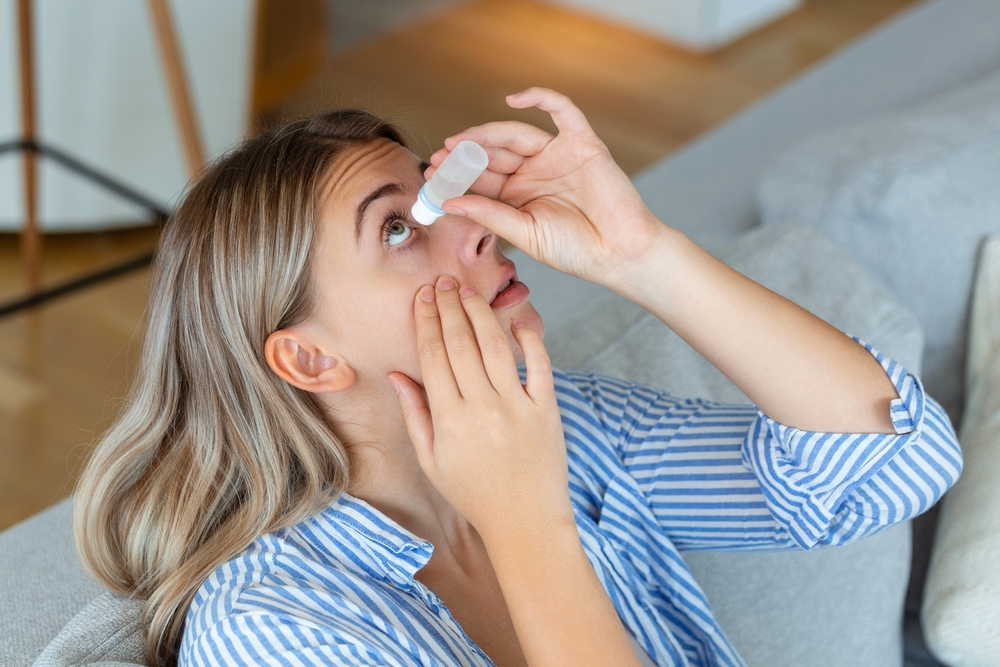
Dry, irritated eyes can sometimes feel better temporarily, especially when symptoms are triggered by factors like wind, prolonged screen use, or a dry environment. However, recurring dry eye symptoms often indicate an underlying problem with tear production, tear quality, inflammation, or the oil glands along the eyelids. At Eye Center of Virginia, we help patients in Williamsburg understand what is causing their dry eye rather than simply masking the discomfort.
Why Dry Eye Symptoms May Seem to Come and Go
Dry eye symptoms can fluctuate from day to day. You may notice more irritation after spending hours on a computer, wearing contact lenses, being outdoors in windy conditions, or spending time in air-conditioned or heated environments.
Minor dryness caused by a temporary environmental trigger may improve once that trigger is removed. However, chronic dry eye typically does not resolve simply because the symptoms temporarily disappear. The underlying tear film problem may still be present.
Signs Your Dry Eye May Need Treatment
If dry eye keeps returning or begins interfering with daily activities, an evaluation can help determine why. Common symptoms include:
Burning, stinging, or scratchy eyes
Redness or irritation
A gritty or foreign-body sensation
Watery eyes
Blurry or fluctuating vision
Light sensitivity
Difficulty wearing contact lenses
Patients in Williamsburg who experience these symptoms regularly should consider having their tear film and ocular surface evaluated.
Why Over-the-Counter Drops May Not Be Enough
Artificial tears can provide temporary moisture, but they do not necessarily address why your eyes are becoming dry. For example, some people do not produce enough tears, while others experience excessive evaporation because the oil layer of their tears is not functioning properly.
Meibomian gland dysfunction is one potential contributor to evaporative dry eye. When these glands do not release enough healthy oil, tears can evaporate too quickly and leave the surface of the eye exposed.
Rather than relying on drops alone, we look at the tear film, eyelids, ocular surface, and oil glands to identify the factors contributing to each patient's symptoms.
Treating Dry Eye at Its Source
Dry eye treatment depends on the cause and severity of the condition. After a dry eye evaluation at our Williamsburg practice, we can recommend an approach tailored to your eyes. Treatment may include prescription eye drops, eyelid hygiene, lifestyle changes, or advanced in-office therapies. We also offer LipiFlow for appropriate patients as part of our dry eye and ocular surface disease care. LipiFlow is designed to address blocked meibomian glands that can contribute to evaporative dry eye.
If your dry eye symptoms keep coming back, schedule a dry eye evaluation with Eye Center of Virginia to learn more about advanced treatment options. Visit our office in Williamsburg, Virginia, or call (757) 919-3500 to book an appointment.

All Eye
Care Services

Keep
In Touch


Contact info
Hours
- Monday8:00 AM - 5:00 PM
- Tuesday8:30 AM - 6:00 PM
- Wednesday8:00 AM - 5:00 PM
- Thursday8:00 AM - 5:00 PM
- Friday8:00 AM - 5:00 PM
- SaturdayClosed
- SundayClosed
© 2026 Eye Center of Virginia. All rights Reserved. Accessibility Statement - Privacy Policy - Sitemap
Powered by