The 5 Most Common Signs of Glaucoma

The 5 Most Common Signs of Glaucoma

The 5 Most Common Signs of Glaucoma

The 5 Most Common Signs of Glaucoma

The 5 Most Common Signs of Glaucoma

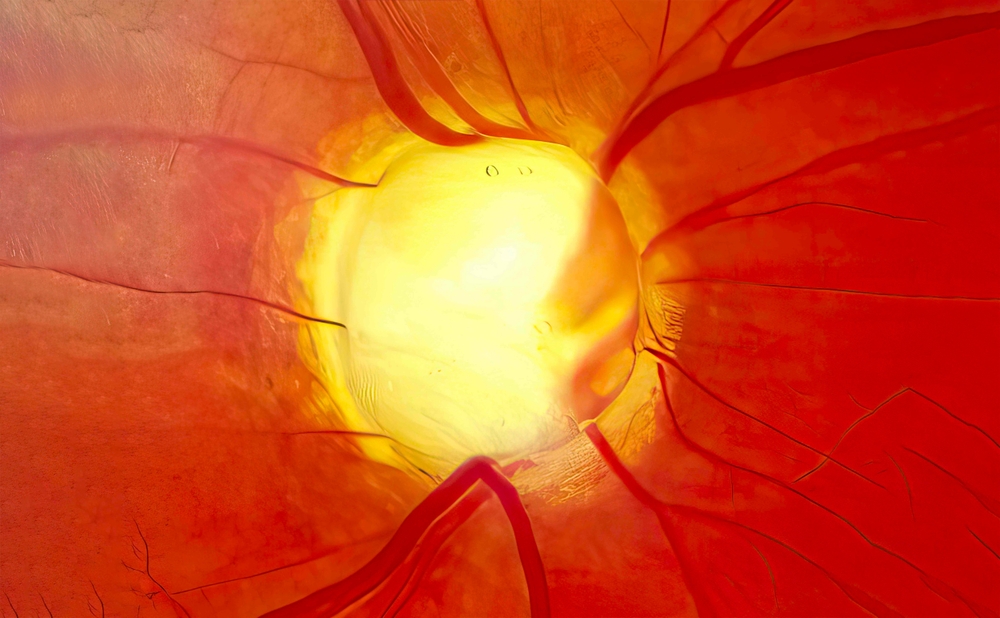
Glaucoma is often called a silent eye disease because many people do not notice symptoms early on. In many cases, vision loss develops gradually, which is why regular eye exams are so important. At Eye Center of Virginia, we help patients in Williamsburg identify glaucoma as early as possible so treatment can begin before more vision is lost.
What Is Glaucoma?
Glaucoma is a group of eye diseases that damage the optic nerve, which is the part of the eye responsible for sending visual information to the brain. This damage is often linked to increased pressure inside the eye, but glaucoma can also develop even when eye pressure is within a normal range.
1. Loss of Peripheral Vision
One of the most common signs of glaucoma is a gradual loss of side vision. You may still see clearly straight ahead, but objects off to the side can become harder to notice. Because this change often happens slowly, many people do not realize it is happening until the damage is more advanced.
2. Blurred Vision
Blurred vision can have many causes, but in some cases it may be linked to glaucoma. If the optic nerve is being damaged or eye pressure is rising, your vision may not seem as sharp or stable as usual. Any unexplained blur that does not improve should be evaluated by an eye doctor.
3. Halos Around Lights
Seeing halos or rainbow-colored rings around lights can be another warning sign, especially when glaucoma develops suddenly or eye pressure rises quickly. Some patients notice this symptom most at night when driving or in dim lighting. While halos are not always caused by glaucoma, they should never be ignored.
4. Eye Pain, Headache, or Redness
Most early glaucoma does not cause pain, but certain forms can lead to noticeable discomfort. Severe eye pain, headache, nausea, vomiting, or a red eye can be signs of a more urgent glaucoma problem that needs immediate attention. These symptoms should be treated as a medical priority.
5. No Clear Symptoms at All
One of the most important things to understand about glaucoma is that many people have no obvious symptoms in the early stages. That is why glaucoma screening and comprehensive eye exams matter so much. Waiting until vision changes are obvious can mean permanent damage has already occurred.
When to Schedule an Eye Exam
You should schedule an exam if you notice any sudden vision changes, trouble with side vision, halos around lights, or unexplained eye discomfort. These symptoms can point to glaucoma or another eye condition that needs prompt attention. You may also need more regular glaucoma evaluations if you are over 60, have a family history of glaucoma, or have other risk factors. Even when symptoms are not obvious, routine testing can help detect problems early and protect your long-term vision.
If you are concerned about the signs of glaucoma, contact Eye Center of Virginia to schedule an eye exam today. Visit our office in Williamsburg, Virginia, or call (757) 919-3500 to book an appointment.

All Eye
Care Services

Keep
In Touch


Contact info
Hours
- Monday8:00 AM - 5:00 PM
- Tuesday8:30 AM - 6:00 PM
- Wednesday8:00 AM - 5:00 PM
- Thursday8:00 AM - 5:00 PM
- Friday8:00 AM - 5:00 PM
- SaturdayClosed
- SundayClosed
© 2026 Eye Center of Virginia. All rights Reserved. Accessibility Statement - Privacy Policy - Sitemap
Powered by